Source original drum cartridge for Xerox Canon HP printers
Find 30 listings for the original drum cartridge compatible with Xerox, Canon, and HP printers. Buyers can compare specifications, pricing, and shipping options for these Grade A OPC drums.
Key considerations
Products List


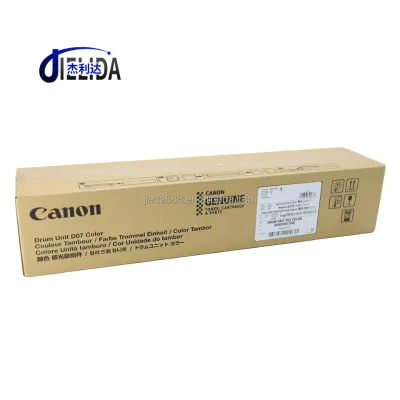
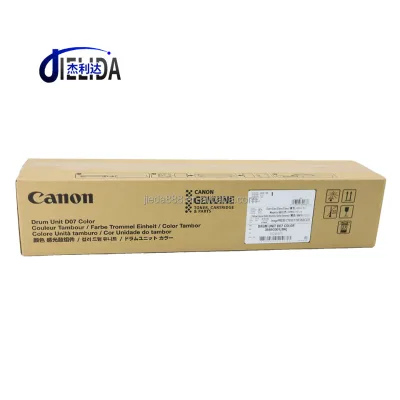


Comprehensive Sourcing Guide
Strategic Sourcing Guide for Original Drum Cartridges
Understanding Technical Specifications and Compatibility
When sourcing original drum cartridges, the primary objective is to ensure absolute compatibility with the target printing hardware to maintain print fidelity and prevent mechanical damage. The market offers a diverse array of models, each engineered for specific printer architectures. Buyers must rigorously verify the model number against their existing fleet. Observed product data indicates a wide spectrum of specifications, ranging from the D125 model to the CE278A, and the CRG725 series. These identifiers are not interchangeable; a cartridge designed for a Canon architecture will not function correctly in an HP or Xerox system, even if the physical dimensions appear similar.
The technical definition of a drum cartridge often involves the OPC (Organic Photoconductor) drum unit, which is the core component responsible for transferring toner to the paper. In the observed inventory, the product type is explicitly categorized as "OPC Drum," confirming that the core component is the photoconductor cylinder. This distinction is critical because some suppliers may conflate the drum unit with the toner cartridge. A true original drum cartridge must meet the "LASER PRINTER CARTRIDGE" standard, ensuring that the internal electrical contacts and mechanical gears align with the printer's firmware expectations.
Furthermore, the color specification is a vital technical parameter. While many original drum units are designed for black-and-white printing, some advanced models support "Black & Color" capabilities. Buyers must check if their specific printer requires a dedicated black drum or a multi-color drum assembly. The observed data lists models such as 151A (W1510A) and CF280X, which are specific to HP LaserJet printers, while others like Q6511A/11A are associated with different legacy systems. The "Integration" combination feature suggests that these units are designed to work seamlessly with the printer's existing software and hardware integration protocols, minimizing the need for driver updates or manual recalibration.
Compliance, Certification, and Quality Standards
In the B2B procurement of printing consumables, compliance with industry standards is the first line of defense against operational downtime. While specific third-party certifications like ISO 9001 are not explicitly listed in the provided product facts, the industry relies heavily on adherence to the "LASER PRINTER CARTRIDGE" standard. This standard implies that the product has been manufactured to meet the baseline requirements for laser printing technology, including toner density, drum sensitivity, and electrical conductivity.
Quality grading is another essential compliance metric. The observed market data frequently references "Grade A" quality. In procurement terms, this designation typically signifies that the product meets the highest tier of manufacturing tolerances and material purity. Buyers should verify that the supplier can substantiate this "Grade A" claim with internal quality control reports. Additionally, the "Defective Rate" is a critical compliance indicator. The available data notes a defective rate of less than 1%, which serves as a benchmark for acceptable quality levels. However, buyers must understand that this figure is an observation of specific listings and should be treated as a target metric rather than a guaranteed universal standard for all suppliers.
The "Condition" of the product is another compliance factor. The data specifies "100% New" and "Brand-New" status for various models. This is distinct from re-manufactured units, which may have varying levels of component replacement. For an "original" drum cartridge, the expectation is that the unit is factory-sealed and unused. The "Cartridge Status: Full" attribute further reinforces that the drum unit is in its pristine, operational state, ready for immediate installation without the need for pre-use conditioning.
Cost Drivers and Pricing Dynamics
The pricing of original drum cartridges is influenced by several complex factors, including the printer brand, the specific model complexity, and the volume of the order. The observed price range in the market spans from $0.10 to $1,250.00 USD. This wide variance reflects the difference between single replacement units for small office printers and bulk orders of high-capacity drum units for industrial digital presses. The "Selling Units" are often listed as "Single Item Single PAC," indicating that the base price usually applies to a single unit, though bulk discounts may be available.
A significant cost driver is the "MOQ" (Minimum Order Quantity). The observed MOQ ranges from 1 piece to 500 pieces. For small businesses or IT departments managing sporadic replacements, the ability to order a single unit (1 PCS) is a crucial cost factor, as it prevents the need for large capital outlays on inventory. Conversely, large enterprises may benefit from negotiating lower unit prices by committing to higher MOQs, potentially up to 500 pieces. The "Customization" attribute being available suggests that buyers can negotiate packaging or labeling requirements, which may incur additional costs depending on the scale of the order.
Shipping and logistics also play a substantial role in the total cost of ownership. The observed "Shipping Ways" include Air Cargo, Sea Cargo, and Express services like DHL, UPS, TNT, FedEx, and EMS. The choice of shipping method directly impacts the final landed cost. Air cargo and express services offer faster delivery times, typically 3 to 5 workdays, but come at a premium. Sea cargo is more economical for large, heavy shipments but extends the lead time significantly. Buyers must balance the urgency of their operational needs against the budget constraints when selecting a shipping method.
Typical Applications and Operational Context
Original drum cartridges are essential for maintaining high-quality output in environments where print consistency is paramount. The "Feature: Compatible" and "Feature: Original" attributes indicate that these units are designed to work with specific printer brands, including Xerox, Canon, and HP. The "Printer" specifications in the data highlight compatibility with Brother printers and HP LaserJet models, suggesting that the primary application is in office and enterprise environments utilizing these specific hardware ecosystems.
The "Integration" feature implies that these cartridges are not merely mechanical replacements but are designed to communicate with the printer's internal diagnostics. This is particularly important for printers that monitor drum life and automatically adjust settings based on the installed unit. In high-volume printing scenarios, such as document centers or print shops, the reliability of the drum unit is critical to preventing paper jams and ensuring consistent image density. The "Regular" specification suggests that these units are intended for standard office printing tasks rather than specialized industrial applications, though the "Grade A" quality ensures they can handle demanding workloads.
The "Color: Black & Color" attribute indicates that some applications may require multi-color drum units, which are often used in color laser printers. These units are more complex and typically more expensive than their black-only counterparts. Buyers must ensure that the specific application matches the color capabilities of the drum unit. For example, a black-and-white printer will not utilize a color drum unit, and vice versa. The "After Sales Service: 1:1 Replacement" feature is particularly relevant for applications where downtime is costly, as it provides a safety net for defective units.
Supplier Evaluation and Verification Protocols
Evaluating a supplier for original drum cartridges requires a rigorous verification process to ensure that the product matches the "Original" designation. Buyers should scrutinize the "prod_origin" field, which lists locations such as Hebei Province, Cangzhou, and Shenzhen in China. While these locations are known manufacturing hubs, the origin alone does not guarantee authenticity. Buyers must verify that the supplier is an authorized distributor or has a direct relationship with the original equipment manufacturer (OEM).
The "After Sales Service" and "Replacement" policies are critical indicators of supplier reliability. The observed "1:1 Replacement" and "1 Year" warranty terms suggest a commitment to product quality. However, buyers should not rely solely on these claims. They must request proof of warranty terms and understand the specific conditions under which a replacement is granted. The "Defective Rate: <1%" claim should be backed by recent quality assurance reports or customer testimonials.
Packaging is another area for supplier evaluation. The data mentions "Package at Your Request," "Neutral Packing," and "Original Packing & Netural Packing." For original drum cartridges, the packaging should ideally be the "Original Packing" to ensure that the product has not been tampered with. The "Air Bag + Neutral Color Box" combination is a common protective measure, but buyers should verify that the packaging meets the necessary standards for protecting the sensitive OPC drum during transit. The "Single Gross Weight: 1.5kg" and "Single Package Size: 45X11X11cm" provide concrete data for logistics planning, ensuring that the supplier's packaging claims are accurate.
Quality Control and Long-Term Procurement Considerations
Maintaining consistent quality in drum cartridge procurement requires a proactive approach to quality control. The "Quality: Grade a" designation is a strong starting point, but buyers should implement their own quality checks upon receipt. This includes inspecting the "Status: Brand-New" condition and verifying that the "Cartridge Status: Full" is accurate. Any signs of wear, damage, or tampering should be immediately reported to the supplier, especially given the "1:1 Replacement" policy.
Long-term procurement considerations involve building a relationship with a supplier who can consistently meet the "Defective Rate: <1%" standard. This requires regular performance reviews and feedback loops. The "Delivery Time: 3 to 5 Workdays" and "3-7 working Days" observed in the data indicate that reliable suppliers can provide quick turnaround times, which is essential for maintaining inventory levels. Buyers should also consider the "Customization" options available, such as specific packaging or labeling, to streamline their internal logistics and inventory management processes.
The "Selling Units: Single Item Single PAC" suggests that the supplier is flexible in terms of order size, which is beneficial for businesses with fluctuating demand. However, for long-term cost efficiency, buyers should explore volume discounts and negotiate better terms for recurring orders. The "Shipping" options, including DHL, UPS, TNT, FedEx, and EMS, offer flexibility in managing logistics costs and delivery speeds. By selecting the appropriate shipping method based on urgency and budget, buyers can optimize their total cost of ownership.
In conclusion, sourcing original drum cartridges requires a meticulous approach that balances technical specifications, compliance standards, cost factors, and supplier reliability. By leveraging the observed data and adhering to the verification protocols outlined above, buyers can ensure a steady supply of high-quality drum units that support their printing operations effectively. The key is to maintain a vigilant eye on quality metrics and to foster strong relationships with suppliers who demonstrate a commitment to excellence and customer service.
FAQs
What is the defective rate for these original drum cartridges?
The defective rate is less than 1 percent for the observed listings. This benchmark indicates high quality, though buyers should verify specific supplier quality control reports before placing large orders.
Which printer brands are compatible with these drum cartridges?
These cartridges are compatible with Xerox, Canon, HP, and Brother printer brands. Buyers must verify the specific model number against their existing fleet to ensure absolute compatibility and prevent mechanical damage.
Can I order a single unit as the minimum quantity?
Yes, the minimum order quantity can be as low as one piece for certain models. This flexibility allows small businesses to manage inventory without large capital outlays, though bulk orders may offer better pricing.
How long does delivery take for these products?
Delivery times typically range from three to seven working days depending on the shipping method. Buyers can choose express services like DHL or air cargo for faster arrival or sea cargo for cost savings.
What warranty is provided for the drum cartridges?
A one-year warranty is available with a one-to-one replacement policy for defective units. This service ensures operational continuity, but buyers should confirm specific replacement conditions with the supplier prior to purchase.
Which specifications define the quality of these cartridges?
Products are often graded as Grade A and meet the Laser Printer Cartridge standard. The condition is listed as brand-new with a full cartridge status, ensuring they are factory-sealed and ready for immediate use.
How is the packaging handled for these drum units?
Packaging options include original packing, neutral packing, or custom requests with air bags. The standard single package size is 45 by 11 by 11 centimeters with a gross weight of 1.5 kilograms.